Training your dog should be a rewarding experience for both you and your furry companion.
Positive reinforcement dog training is widely recognised as one of the most effective and humane methods for teaching desired behaviours.
By using reward-based training for dogs, you can build a trusting and happy relationship with your dog while ensuring they learn commands and good manners effectively.
Plus, let’s be honest—having a dog that doesn’t steal your socks or tackle your guests with enthusiasm is a win for everyone!
In this guide, we’ll explore the best reward-based dog training methods for beginners to help set you and your dog up for success.
What is Positive Reinforcement Dog Training?
Positive reinforcement dog training is a method that focuses on rewarding desirable behaviours rather than punishing unwanted ones.
The core principle is simple: dogs repeat behaviours that bring them rewards. Rewards can be in the form of treats, praise, toys, or playtime. its whatever your dog finds rewarding.
Think of it as your dog’s version of getting a gold star… or, better yet, a cheeseburger!
Benefits of Positive Reinforcement Training
Builds a strong bond between you and your dog
Encourages learning in a stress-free environment
Reduces the likelihood of fear or aggression
Works for dogs of all ages, breeds, and temperaments
Increases confidence in your dog (because every pup deserves to feel like a rockstar!)
Best Reward-Based Dog Training Methods for Beginners
1. Clicker Training
Clicker training is a popular reward-based training technique that uses a small device called a clicker to mark desirable behaviors. The sequence follows:
Click when your dog performs the desired action.
Reward immediately with a treat.
Repeat until the behavior is consistently linked to the sound.
Why it works: The click sound provides a distinct and immediate marker, making it easier for dogs to understand what they are being rewarded for. It’s basically their way of saying, “Oh, THAT’S what you wanted? Got it!”
2. Treat-Based Training
Using treats as rewards is one of the simplest and most effective methods for beginners. To get started:
Use high-value treats that your dog loves (yes, that means the good stuff, not the stale kibble at the bottom of the bag).
Reward immediately after your dog performs the correct behavior.
Gradually reduce treats over time and replace them with praise or toys.
Pro Tip: Keep training sessions short (5-10 minutes) and positive to maintain engagement. Too long, and your dog might start questioning your life choices instead of focusing on “sit.”
3. Verbal Praise and Affection
Not all dogs are food-motivated (weird, right?), so verbal praise and physical affection (such as petting or belly rubs) can be an alternatives. Using a happy, encouraging tone helps reinforce good behavior.
Example: If your dog sits when asked, say “Good job!” enthusiastically and offer a scratch behind the ears. Bonus points if you sound like you just won the lottery!
4. Luring and Shaping
Luring involves using a treat to guide your dog into a desired position, such as sitting or lying down. Shaping, on the other hand, rewards small steps toward the final behavior.
Example: To teach a “down” command:
Hold a treat near your dog’s nose.
Slowly lower the treat to the ground, encouraging them to follow.
Reward once they their tummy hits the floor and they lie down.
It’s basically Jedi mind tricks—but with snacks.
5. Games and Play-Based Training
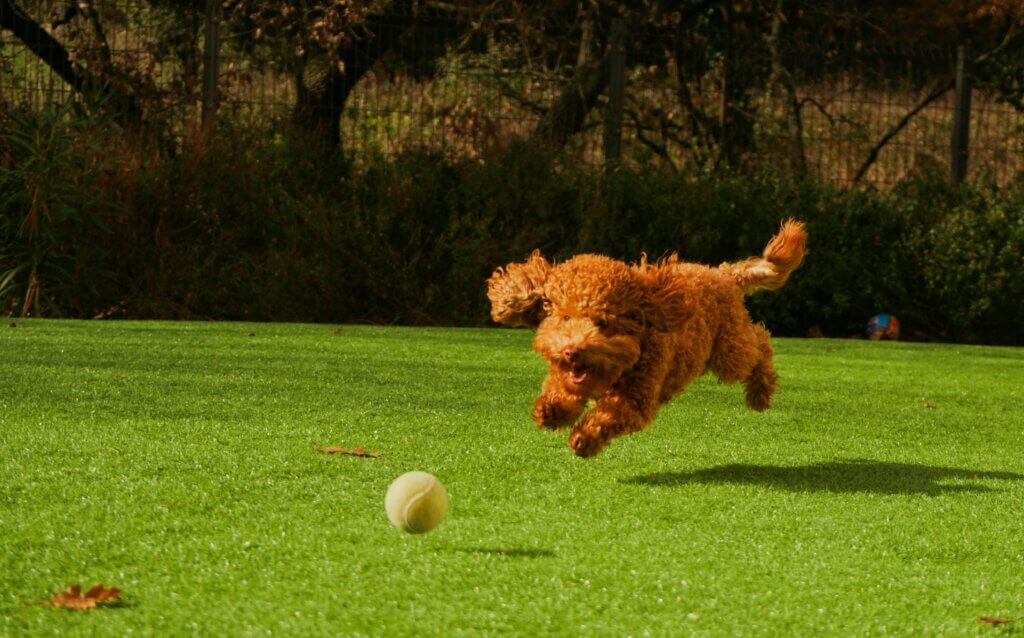
Dogs love to play, and incorporating training into games makes learning fun. Interactive games like fetch, tug-of-war, and hide-and-seek reinforce training commands naturally.
Example: When playing fetch, ask your dog to “sit” before throwing the ball. Reward with the throw! It’s a win-win: they get exercise, and you don’t have to listen to them whining for the ball.
Common Mistakes to Avoid
❌ Inconsistent Rewards
Be consistent with rewards to avoid confusing your dog. If you only reward sometimes, they may not understand which behavior you’re reinforcing—kind of like when your Wi-Fi works great one day and refuses to connect the next.
❌ Using Harsh Punishments
Punishment-based training can create fear and anxiety, making learning more difficult. Always use positive reinforcement instead. No one wants a dog that hides every time you pick up a newspaper!
❌ Expecting Instant Results
Patience is key! Every dog learns at their own pace, so practice regularly and celebrate small successes. Rome wasn’t built in a day, and neither was your dog’s perfect “sit” command.
Conclusion
Positive reinforcement dog training is the most effective and humane way to teach your dog new skills.
By using reward-based training for dogs, you can shape good behaviour while strengthening your bond.
Whether you’re using clicker training, treats, praise, or games, consistency and patience will lead to success.
Start implementing these best reward-based dog training methods for beginners today and enjoy a well-behaved, happy pup!
Ready to Train?
Try these methods and see what works best for your dog! Have any success stories or questions?
Share them in the comments below—bonus points if they include a hilarious training fail!
Useful links to more blogs...
Want to know why I am a reward based dog trainer and why these techniques work check out this blog Dog Training Coventry – Reward Based Training
Or are you unsure what treats to us win training? Read here. What treats should I use for training?
Would you like some professional help?
If you would like to know more about 121 Puppy Training in Coventry with me or 121 Dog Training with me, you can do here.
Or book in your 20 minute Breakthrough Call to get a 3 Step Action Plan that will get you started on your dog training journey and living in harmony with your dog.