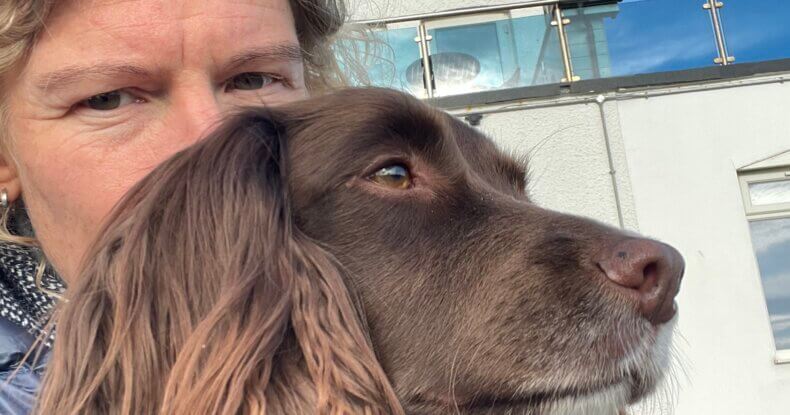
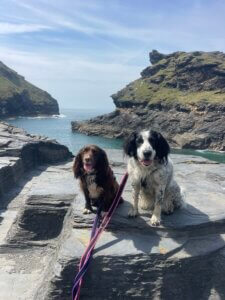
Recently I went away to Cornwall with my dogs, and honestly, one of the biggest things I came home feeling was proud of just how enjoyable the whole trip felt with them.
We visited beaches, cafes, pubs, shops, harbours and campsites. We walked through busy areas, sat and watched the world go by, wandered around little seaside towns and spent hours outdoors together.
And throughout the whole trip I kept thinking:
“This is why I put so much work into training my dogs.”
Not because they were “perfect”.
Not because they never put a foot wrong.
But because they were connected, responsive, adaptable and genuinely enjoyable to be around.
None of that happened by accident.
If you want to train a dog you can take anywhere, the reality is that it takes much more than teaching a sit in the kitchen.
It’s about teaching dogs how to cope with the real world.
Why Dogs Often Struggle in New Environments
When owners picture taking their dog on holiday, they often imagine:
- beach walks
- pub gardens
- cafes
- relaxed evenings
- calm walks together
But for many dogs, those environments can feel incredibly overwhelming.
Think about everything a holiday environment includes:
- new smells
- different dogs
- children
- traffic
- movement
- food everywhere
- busy pavements
- wildlife
- unusual sounds
- campsites full of people
It’s a huge amount of sensory information.
And dogs don’t generalise well.
A dog who can settle beautifully in your living room may suddenly struggle in a busy cafe or on a harbour front because they haven’t yet learned how to cope in that type of environment.
This is why real life dog training matters so much.
If you want to train a dog you can take anywhere, you have to gradually teach them how to navigate different environments successfully.
Start With Foundations First
One of the biggest mistakes owners make is expecting dogs to cope in difficult environments before the foundations are there.
Before expecting your dog to relax in a cafe, walk nicely through a busy harbour or settle on a campsite, they need core skills first.
Things like:
- loose lead walking
- engagement
- recall
- settle work
- switching off
- calmly existing around distractions
These are the skills that actually matter in day-to-day life.
For me, training has never been about robotic obedience.
It’s about building a dog who can make good choices and stay connected to you even when life gets busy around them.
If you want to train a dog you can take anywhere, these foundations matter far more than fancy tricks.
Loose Lead Walking Changes Everything
One of the biggest things I appreciated on holiday was how easy the dogs were to move around with.
I could buy an ice cream and wander along the harbour while they walked calmly beside me.
I could carry a drink back from the pub garden while they stayed connected to me rather than dragging me across the campsite.
I could stop and sit on a bench with a Cornish pasty while we all just relaxed and watched the world go by together.
Those things sound small.
But for owners struggling with pulling, overexcitement or lack of engagement outdoors, those moments can feel impossible.
Loose lead walking changes so much in real life.
Not because it “looks nice”, but because it creates calmness, connection and freedom.
Teaching Dogs How to Settle Matters
One of the most underrated skills you can teach a dog is simply how to settle.
Not constantly needing entertainment.
Not always being “on”.
Not demanding interaction every second.
Just being able to relax and exist calmly beside you.
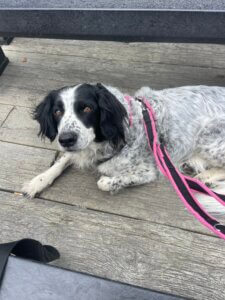
Both dogs settled beautifully in cafes and pubs throughout the trip.
They lay down quietly while I ate afternoon tea, sat outside pubs with me and relaxed on the campsite in the evenings.
Again, this didn’t happen by accident.
Teaching dogs to settle starts long before you ever step foot inside a cafe.
At home I spend time reinforcing calmness:
- relaxing on beds
- chewing calmly
- switching off
- simply existing nearby without constant interaction
If you want to train a dog you can take anywhere, teaching calmness and switch-off skills is just as important as teaching recall.

Set Dogs Up for Success
One thing I’m always thinking about in new environments is:
“How can I make this easier for my dogs?”
Good training isn’t about throwing dogs into overwhelming situations and hoping for the best.
It’s about thoughtful preparation.
For example:
- I chose quieter tables away from busy walkways
- I sat further away from playgrounds
- I kept sessions short if needed
- I watched body language carefully
- I made sure I always had an exit plan if things became too much
At the campsite, having familiar routines helped massively too.
Breakfast and dinner times stayed fairly similar to home. They had familiar chews and bedding. Once the weather settled, I also used a windbreak to reduce some of the visual stimulation around the campsite.
All these little things help dogs feel safer and calmer.
Especially in environments that are very different from home.
Recall and Connection Outdoors
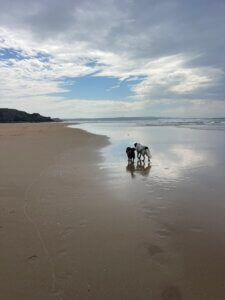
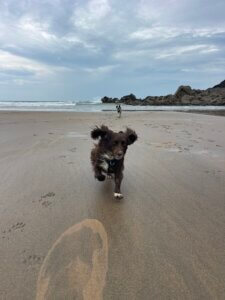
The beaches were probably where I felt most proud.
The dogs stayed connected with me beautifully.
If I changed direction, they followed.
If I recalled them away from people sitting on the beach, they came back.
They didn’t charge over to strangers, steal food or disappear off into the distance.
That connection outdoors is something I work very hard on.
I often say to clients:
“The party in the park needs to be with you.”
Because if the environment is always more exciting than the owner, dogs naturally start becoming more independent and “self-employed”.
I want my dogs to enjoy the environment, but still stay connected and responsive within it.
That’s a huge part of training a dog you can take anywhere.
Real Life Training Matters Even More With Sensitive Dogs
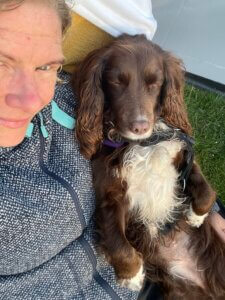
One thing I was particularly proud of during the trip was how well Envy coped.
As many people know, Envy has hip dysplasia and arthritis in both hips, and roads and busy pavement environments can sometimes feel stressful for her.
So throughout the trip I was constantly mindful of how she was feeling physically and emotionally.
We kept pavement walking shorter where possible. I watched her body language carefully and if I noticed her becoming worried, we slowed things down, created more space and helped her settle again.
One of my proudest moments was walking around the harbour with her. She coped amazingly well overall, especially considering how difficult those environments used to feel for her.
The only time she really struggled was when a loud motorbike went past, which honestly is understandable.
Again, this is why I always talk about working at the dog’s pace.
Real life dog training isn’t about forcing dogs to cope.
It’s about helping them feel safe enough to cope successfully.
The Goal Was Never Perfect Dogs
At one point Maisie accidentally knocked a small glass ornament off a shelf in a shop with her nose.
Thankfully it only cost £5 and the shop owner was lovely about it, but obviously I still paid for it.
And honestly?
That little moment actually sums dog ownership up perfectly.
Because the goal was never perfection.
The goal was dogs I could genuinely enjoy life with.
Dogs who could come into shops, cafes, beaches and public places and mostly make good choices because we’ve spent years building those skills together.
Not dogs who never make mistakes.
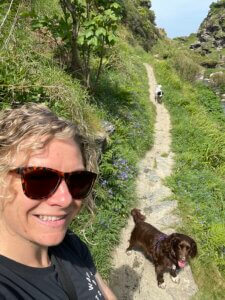
This Is Why I Put So Much Work Into Training
For me, this is what good dog training is really about.
Freedom.
Connection.
Enjoyment.
Being able to take your dogs away and actually relax with them rather than constantly shouting, apologising, managing chaos or feeling stressed.
That doesn’t happen through quick fixes.
It happens through consistency, thoughtful training and gradually teaching dogs how to navigate the real world successfully.
If you want to train a dog you can take anywhere, focus less on perfection and more on building:
- connection
- calmness
- engagement
- adaptability
- and real life skills
Because those are the things that genuinely change everyday life with your dog.
Want to read more to help you dog?
- Dream Dog Programme
- Why Your Dog Listens at Home But Not Outside
- Why Your Dog Doesn’t Check In With You on Walks
- Why Your Dog Only Comes Back When They Feel Like It
- How to Stop Your Dog Pulling on the Lead
- Dogs Trust – Socialisation and Habituation
- Kennel Club – Taking Your Dog on Holiday