Learning how to get your dog to pay attention on walks is something many owners struggle with. It is also one of the areas I can help with through my one-to-one dog training in Coventry.
One of the most common things owners say to me is:
“My dog completely ignores me outside.”
At home, their dog can:
- sit
- lie down
- listen beautifully
- focus well
But the second they step outdoors, it feels like they no longer exist.
Suddenly the environment becomes far more interesting than the owner.
The sniffing starts.
The scanning starts.
The pulling starts.
The selective hearing appears.
And many owners end up feeling frustrated, disconnected and honestly a little invisible on walks.
But the important thing to understand is this:
Dogs do not automatically know how to pay attention outdoors.
Connection outside is something we build.
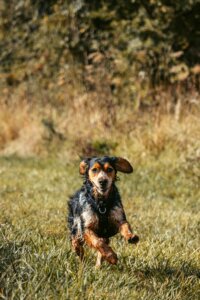
Why Dogs Stop Paying Attention Outside
The outside world is incredibly reinforcing for dogs.
There are:
- smells
- movement
- people
- dogs
- wildlife
- noises
- exciting environments
For many dogs, especially scent-driven or high-energy breeds, the environment itself becomes the reward. Breed traits can influence what your dog finds motivating, which is why I consider their natural instincts as part of my breed-specific dog training.
This is why some dogs appear completely different outside compared to indoors.
And honestly, this is normal.
The mistake many owners make is assuming dogs should naturally stay connected outdoors without ever teaching those skills first.
Dogs Don’t Automatically Stay Connected
This is one of the biggest mindset shifts I try to help owners understand.
Engagement is not automatic.
Connection is not automatic.
Dogs are not born naturally knowing they should constantly check in with us outdoors.
We teach those skills gradually.
And often, without meaning to, owners accidentally teach the opposite.
Things like:
- too much freedom too soon
- letting dogs constantly roam far away
- only interacting when things go wrong
- repeating cues constantly
- recalling dogs over and over again
can all slowly reduce engagement.
If the environment is always more rewarding than the owner, dogs naturally start becoming more independent and “self-employed” outdoors.
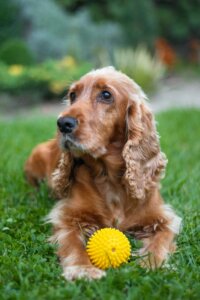
The Goal Isn’t Constant Commands, It’s Connection
One of the biggest misconceptions in dog training is that good walks should involve constantly cueing dogs.
Owners often think they should be:
- repeatedly recalling
- constantly asking for sits
- giving endless commands
- micromanaging every movement
But honestly?
That sounds exhausting for both the dog and the owner.
Good engagement should actually reduce how much you need to cue your dog.
I’ve done entire walks with my own dogs without recalling them once, simply because the connection and engagement were already there.
They naturally checked back in.
They paused at “junctions” to see which direction we were going next.
They stayed connected because we were moving through the environment together rather than me constantly controlling them.
For me, that’s what good dog training looks like.
Not dogs “doing as they’re told” every second.
But dogs and owners having an understanding with each other. Building that relationship and helping both dog and owner feel more confident is central to my approach to dog training.
Over-Calling Can Actually Reduce Engagement
This is SUCH an important point.
Many owners accidentally overuse recall.
Dogs get repeatedly called away from:
- sniffing
- exploring
- playing
- social interactions
- freedom
And over time, recall can start predicting:
“Fun ends now.”
Some owners also call their dog back only to immediately ask for a sit or put the lead on every single time.
Again, the dog learns:
“Coming back to you stops the good stuff.”
That’s why I’m so passionate about building engagement and connection first. These foundations are also an important part of recall training, because your dog is more likely to return when staying connected to you feels rewarding.
If your dog enjoys being around you and checking in naturally, you often need far fewer cues overall.

Reward the Check-Ins You Want
One of the easiest ways to improve your dog’s attention on walks is to start noticing and rewarding the engagement that already exists.
Most owners only speak to their dogs when they are:
- pulling
- distracted
- running off
- ignoring cues
But what about all the good moments?
The little glances.
The natural check-ins.
The moments your dog chooses to come closer.
The eye contact.
The pauses.
Those are the moments worth reinforcing.
I spend a huge amount of time rewarding:
- proximity
- eye contact
- orientation towards me
- choosing to stay connected
because those little moments are what build bigger engagement over time.
Start in Easier Environments First
Another massive mistake owners make is starting in environments that are simply too difficult too soon.
A busy park on a sunny Saturday afternoon is probably level 10 distraction-wise for many dogs.
If your dog cannot focus in your quiet street yet, they are unlikely to suddenly succeed in a massively overstimulating environment.
Dogs need gradual layering of distractions.
This is why I often encourage owners to start in:
- quieter areas
- calm spaces
- lower distraction environments
before expecting brilliant engagement in busy parks, cafes or social areas.
We want dogs to practise success, not rehearse ignoring us repeatedly.
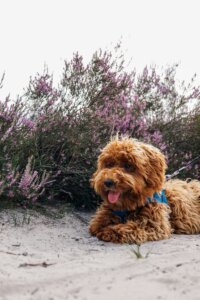
Why Engagement Changes Everything
When you improve engagement outdoors, so many other things become easier too.
Recall improves.
Loose lead walking improves.
Responsiveness improves.
Calmness improves.
Because your dog starts viewing you as relevant and valuable within the environment instead of background noise.
I often say:
“The party in the park needs to be with you.”
That does not mean becoming more exciting than every squirrel, dog or smell all the time.
It means building enough value in the relationship that your dog still wants to stay connected even while enjoying the environment around them.
And honestly, that changes everything.
Real Life Dog Training Is About Enjoying Each Other
For me, this has never been about obedience for obedience’s sake.
It’s not about constantly controlling dogs or making them robotically compliant.
It’s about:
- connection
- teamwork
- communication
- enjoyment
- understanding each other
Because when you genuinely build engagement outdoors, walks stop feeling frustrating.
You stop constantly repeating yourself.
You stop nagging.
You stop feeling invisible.
And instead, walks start feeling like something you and your dog are doing together.
That’s the goal.
Join my Dream Dog Programme and I can help you build better engagement, clearer communication and more enjoyable walks with your dog.

Further reading in my blogs
- Why Your Dog Only Comes Back When They Feel Like It
- How to Train a Dog You Can Take Anywhere
- How to Stop Your Dog Pulling on the Lead
- Why Your Dog Gets Overexcited Around Other Dogs