🐾 Why Food Isn’t Just Fuel for Puppies
If your puppy is bouncing off the walls one minute and snoozing the next, you might think, “Well, that’s just puppy life!” And yes some of that chaos is perfectly normal.
But how food affects puppy’s behaviour and what your puppy eats could be dialling that chaos up… or helping them feel calm, focused, and ready to learn.
As a dog trainer and behaviourist, one thing I see time and time again is how closely nutrition and behaviour are linked. I cover it in all of my 121 sessions because it’s just that important.
🧠 Food Really Can Affect the Brain
Let’s talk science – in plain English. Food gives energy, but it also impacts:
🧠 Brain chemistry (think focus, calmness, ability to settle)
🏃♂️ Activity levels (too much sugar or poor-quality ingredients can cause hyperactivity)
😰 Anxiety levels (poor nutrition can make the world feel more overwhelming
🍬 Remember blue Smarties?
If you were a 90s kid like me, you’ll remember how blue Smarties were full of e-numbers and eventually removed from shelves because parents noticed they turned children wild.
Now swap blue Smarties for low-quality kibble packed with cereals, maize and artificial additives. See the link?
It’s not about demonising food, it’s about helping you make better, more informed choices.

🚫 Common Culprits That Can Affect Behaviour
Not all kibble is created equal. Here are a few things I ask clients to look out for:
Cereals & maize: Cheap fillers that can spike energy without offering much nutrition.
Meat meals & derivatives: Think beaks, claws, feathers… not prime chicken breast.
Artificial additives: E-numbers for dogs. Yes, they still exist.
If you’re feeding something labelled “chicken & sweet potato”, I want to see chicken listed first, and ideally with a percentage next to it. Ingredients are listed in order of weight — just like our food.
🥦 What I Feed My Dogs (and Why It Matters)
I’m a big believer in feeding the best you can afford — no guilt, no judgment.
For example:
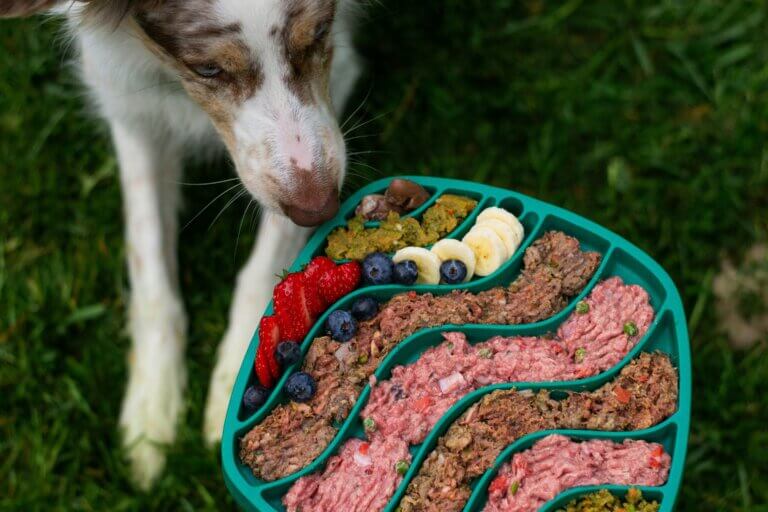
Maisie & Envy are fed raw, which suits their digestion and energy levels.
Eric would eat a mix — 50% kibble and 50% cooked food from brands like Different Dog or Butternut Box, depending on what suited him best that week.
💡 I also encourage adding veg — slowly! Don’t offer a full roast dinner on day one. Add one at a time for variety in taste, texture, and nutrients.
Some favourites:
Broccoli, green beans, cabbage, cauliflower, butternut squash (Maisie loves it raw!)
Blueberries, raspberries, strawberries (Envy loves fruit; Maisie’s picky; Eric would never touch them… but loves asparagus ends — no, I don’t cook asparagus just for him!)
🙋♀️ Real-Life Example on how food affects puppy's behaviour
One client came to me feeding a popular well-known kibble. We reviewed the ingredients and planned a gentle food change once her current bag was finished = no waste!
After the switch, she messaged me:
“I can’t believe the difference. They’re so much calmer and easier to train now.”
That’s the power of food done well.
⚠️ Important: Don’t Bribe with Chees
Please don’t fall into the trap of adding titbits like cheese just to get your dog to eat. I’ve had clients where the puppy picks out the cheese… and leaves the kibble.
Instead, wait until your dog is eating consistently and happily, then you can add extras like vegetables or a little cooked meat for enrichment. They should never be used as bribes.

🐕 My Training Perspective on how food affects puppy's behaviour
Feeding is training.
A dog that’s well-fed on a diet that suits their energy, digestion and temperament = is a easier dog to settle, easier to focus, and more responsive to learning.
That’s why I include nutrition advice in all my programmes. It’s not a side note, it’s a pillar.
📚 Want to Learn More?
Catch up on the full Puppy Nutrition Blog Series:
🛍️ Affiliate Mentions
If you’re thinking of trying cooked food, I feed and recommend both:
These aren’t just random links, they’re what I feed my own dogs.
✨ Final Thought
You can’t out-train poor nutrition. If your puppy is struggling to focus, settle, or listen, don’t overlook what’s in their bowl.

📞 Call to Action
Want help understanding what’s best for your puppy?
Join my Dream Puppy Programme — we cover nutrition, behaviour and everything in between.
👉 Book your free 20-minute call today