Why consistency is the key to dog training
Dog training consistency is the foundation of success. Without it, progress falls apart no matter how hard you try in training sessions. In my work as a dog trainer in Coventry, Leamington and Kenilworth, I see how consistent practice at home makes all the difference between a dog who struggles and one who thrives.
In my work as a dog trainer in Coventry, I see it all the time: families who work hard in sessions but find themselves back at square one because the training isn’t consistent at home. You don’t need to be perfect — but you do need to be predictable.

The problem with inconsistency
Dogs are brilliant at repeating what works. The trouble is, if the “rules” change day by day, they quickly learn behaviours you don’t want.
Here are some real-life examples from my clients and classes:
Lead work
One client only practised loose lead walking in our sessions. Each week the dog pulled all week long, so by the time we met again, we were starting from scratch. The inconsistency slowed their progress dramatically.
Jumping up
A puppy allowed to jump up on one person — “because I don’t mind!” — but told “no” by others will keep trying. The inconsistency makes jumping up harder to resolve.
House rules
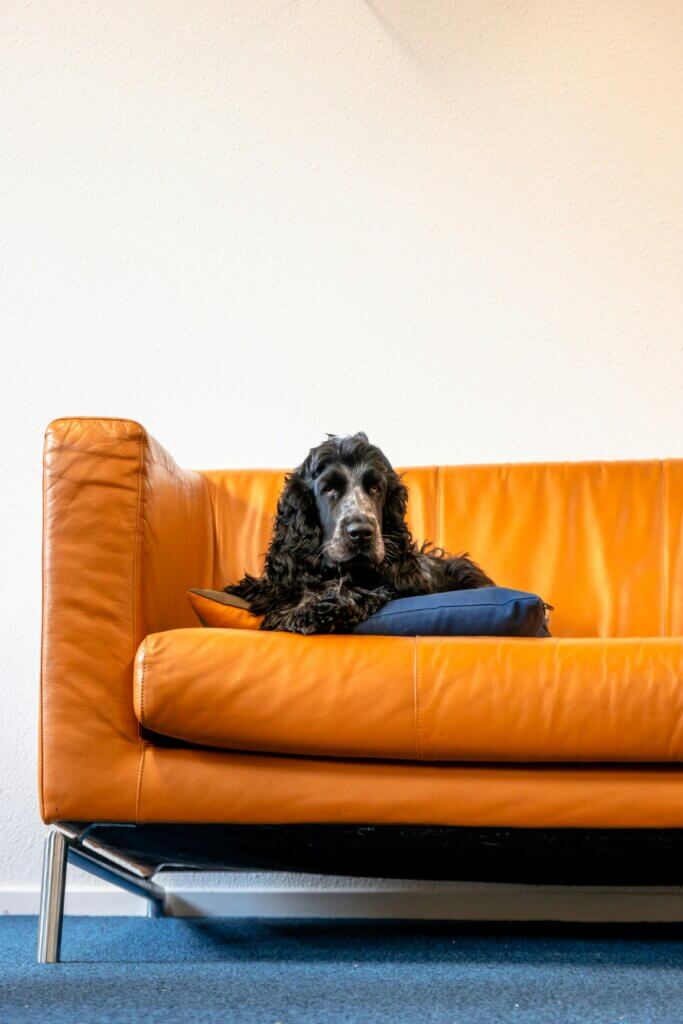
If one family member sneaks the puppy onto the sofa while everyone else insists “no dogs on furniture,” the puppy doesn’t understand. That one moment of inconsistency makes the sofa the most desirable spot in the house.
Recall
If your dog is sometimes allowed to run up to strangers and sometimes not, they’ll just decide for themselves. Unless you give them a clear, consistent “yes” or “not this time,” recall becomes unreliable.

Consistency vs. perfection
A lot of owners worry they’ll “get it wrong” — but you don’t need to be perfect. What matters is that your dog receives the same cues, rules, and rewards from everyone in the household.
For example:
- In my home, down means tummy on the floor, off means get off furniture. I’d never ask my dogs to “get down off the sofa” — that would be confusing.
- If you want a dog to succeed, keep your words and body language consistent. It makes training clear and fair.
Dogs don’t need perfection. They need predictability.

A practical takeaway for families
One of the best tools I recommend is to sit down as a family and agree on your house rules and cues before the puppy even arrives. Make decisions like:
- Will the dog be allowed on the sofa?
- Which words will we use for sit, down, recall, off?
- How will we respond to jumping, barking, or stealing food?
Writing this list together helps everyone feel included and keeps your puppy from getting mixed messages. It’s especially powerful with young children — consistency becomes a family project, not just one person’s responsibility.
Three ways to be more consistent starting today
1️⃣ Agree on your cues — Choose one word for each behaviour (sit, down, off) and make sure everyone sticks to it.
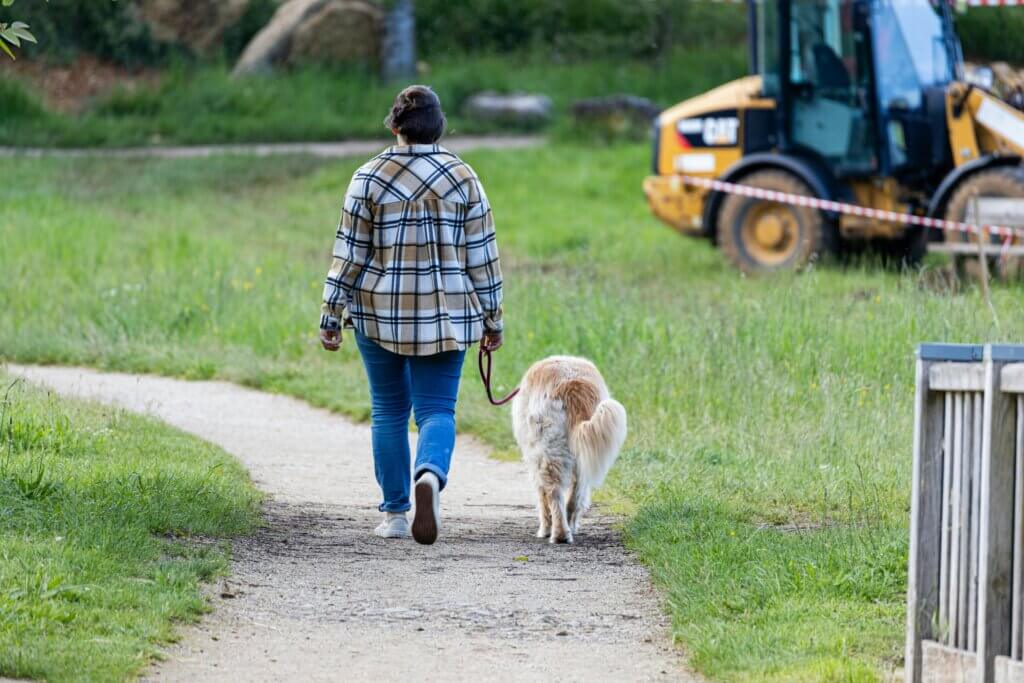
2️⃣ Practise little and often — Don’t wait for your training session. Practise recall in the garden, or loose lead walking to the car, so it becomes part of daily life.
3️⃣ Set clear house rules — Decide as a family what’s allowed and what’s not (sofa, bed, jumping). Once set, stick to them.

Final thoughts
Consistency really is the foundation of good behaviour. Without it, training falls apart — no matter how hard you work in sessions. With it, progress feels smoother, faster, and far less stressful.
If you’d like help building a consistent training routine for your dog, I offer 121 dog training in Coventry, Leamington Spa and Kenilworth.
Book your free call today and let’s get you and your dog on the same page.