Dog Separation Anxiety Training - Myths
There are a few myths going around about treating dogs that have Separation Anxiety
I wanted to share with you a couple of common ones that I get asked on a regular basis
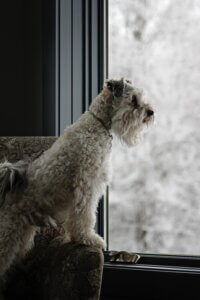
Curing your dog's Separation Anxiety
There are not any quick fixes when you are looking at curing your dogs separation anxiety
You may have done a google search and it came up with many different products you can buy to treat it
But this is not the case
We need to work with your dog at their pace and just gradually increase their confidence
That it is ok to be home alone and that they are able to cope without you there
Which is why I have clients I am working alongside with their dogs
To create a happy dog when they are left home alone
Treating separation anxiety in dogs is one of the few times I encourage you to become boring
As this helps with the programme, where we are working on creating confidcence in your dogs being home alone
When working through the programme there are some common questions that do come up
”Doesn’t my dog know its training time?”
When you are doing training to help your dog to cope when home alone
You may be worrying, that surely they know its training?
This is a question I get asked on a regular basis with my clients who are working their dogs through separation anxiety
You may feel like they are able to tell the difference between training time and just a ‘normal time’ when you need to go out.
Our dogs brains do not work the same way that ours do
They don’t process the world the same as us
Your dog will therefore just understand that this is different
That this time when you left nothing bad happened
That it was ok
It wasn’t scary this time, which may left them in distress
If you are unsure what are the Commons Signs of Separation Anxiety check out my blog
‘Am in not cheating if I do the training when my dog is sleepy?’
This is another worry I get asked by clients
They are concerned that if they are doing the training when their dog is sleepy it is not cheating?
In dog training, we are always looking at setting our dogs up for success
If we did the training first thing in the morning, before walks and breakfast for example
They would find it harder to settle, as they have not had some of their needs met
We are looking to ensure our dogs needs have been met first
Especially when working with puppies
Are the sleepy, all played out, full tummy and have an empty bladder?
You can use this as a guide too for your older dogs
As it is just ensuring all your dogs needs have been met
When you first taught your dog to do a sit and a down
Did you go to a busy park to teach it?
You will have taught this at home in a quiet environment to set them up for success
We use the same principle when working with dogs separation anxiety
By setting your dog up with the most likely chance to succeed
We do have one BUT…..
We don’t train when our dogs are already asleep
As then, we are just creeping out without them realising
And may cause some distress to your dog when they realise you have gone
But if your dogs falls asleep when you are doing their training
This is fine, as they know you have left and gone
And means your dog is managing to cope with you leaving the house
A win win all round!
With my programmes to help treat dogs with separation anxiety, we look at body language and how to read and understand our dogs more to notice these subtle signs of stress before they escalate.
And how to set your dogs up for success, ensuring all their needs are met and being settled before doing the training.
If you’re worried about your dog being left home alone please contact me for help and advice.
Join my Separation Anxiety Programme
An online 4 week course to work on your dog's separation anxiety and help them cope when left home alone.
Book Now