The Best Age to Start Training a Puppy: A Guide for New Dog Owners
Bringing a new puppy home is an exciting experience! But one of the most common questions new pet parents ask is: When should I start training my puppy?
If you’re wondering about the best age to start puppy training, you’re in the right place.
In this guide, we’ll walk you through the ideal puppy training age, what to focus on at different stages, and how to set your pup up for success—without losing your sanity in the process!
When Should I Start Training My Puppy?
Many people assume that puppies are too young to start training, but the truth is, learning begins the moment they enter your home.
Puppies are learning all the time!
The best time to start puppy training is as early as 8 weeks old. At this stage, puppies are like sponges, soaking up information and learning from their environment—although sometimes it feels like they’re only absorbing the naughty stuff!
While formal obedience training can wait a few weeks, you can (and should!) begin socialisation and basic training as soon as you bring your puppy home.

The Best Age for Different Types of Puppy Training
8-10 Weeks: Socialisation & Basic Commands
Focus on positive experiences with different people, sounds, and environments. (Yes, this means letting them hear the dreaded vacuum cleaner!)
Teach simple commands like sit, stay, and come using positive reinforcement. Bonus tip: A treat in hand turns you into a wizard of puppy obedience.
Begin toilet training and crate training to set up good habits early—unless you enjoy surprise puddles in your favourite slippers.
10-16 Weeks: Reinforcing Good Behaviour – what gets rewarded gets repeated!
Introduce leash training and practice short, fun walks. (Expect a few tangled messes before your pup gets the hang of it!)
Continue reinforcing basic commands and start adding distractions—because sitting inside is easy, but sitting when a squirrel runs by? That’s next-level training!
Prevent unwanted behaviours like nipping by redirecting to appropriate chew toys (instead of your unsuspecting fingers and toes).
4-6 Months: Advanced Training & Structure
Work on impulse control with commands like leave it and wait. (Because no one wants a dog that steals food faster than you can say “drop it!”)
Begin basic obedience training in different environments to improve focus. Bonus points if you can get them to sit still at the dog park!
If interested, introduce fun trick training—because who doesn’t want a dog that high-fives?
Why Early Training is Essential
Starting training at the right time helps prevent behavioural issues down the road.
You are much better to get it right from the start, rather than need to call in me in further down the line to fix problems.
Puppies who receive early socialisation and training are more likely to grow into well-behaved adult dogs.
Plus, training builds a strong bond between you and your pup, making communication easier and life more enjoyable for both of you.
And let’s be honest, a well-trained dog means fewer embarrassing moments when guests arrive!
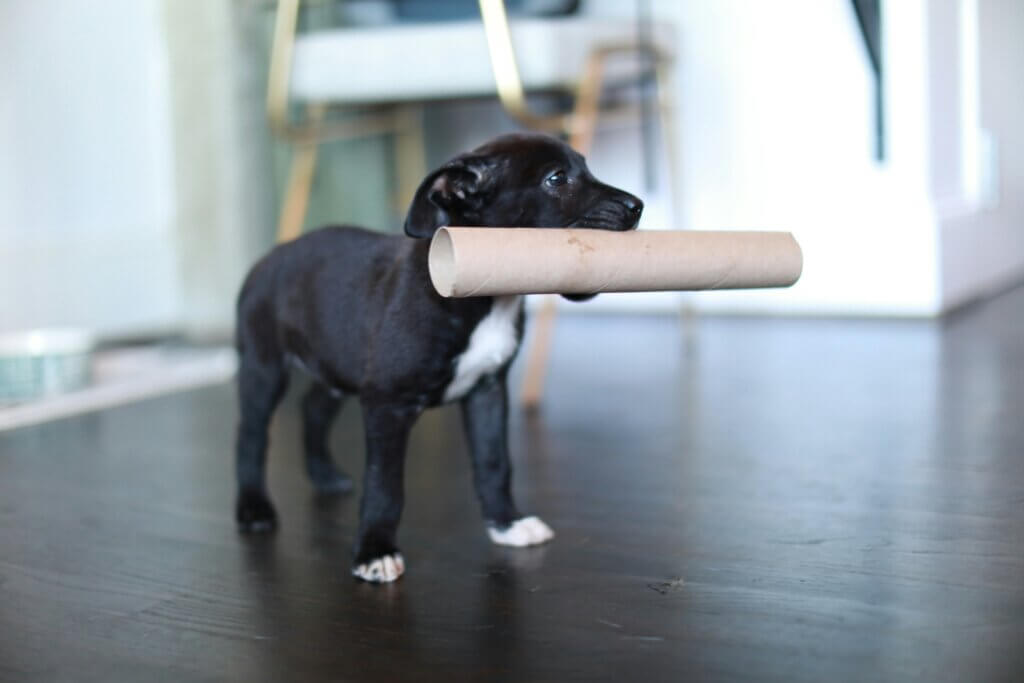
Tips for Effective Puppy Training
Use Positive Reinforcement: Reward good behaviour with treats, praise and play. (Because bribery totally works—just ask your pup!)
Keep Sessions Short & Fun: Puppies have short attention spans—aim for 5-10 minute sessions before they start zoning out or worse, chewing your furniture.
Be Patient & Consistent: Repetition and a predictable routine help your puppy learn faster. (Also, deep breaths help. Lots of deep breaths.)
Socialisation is Key: Expose your pup to different people, places, and experiences in a controlled, positive way. You’ll thank yourself later when they don’t freak out at the sight of a skateboard!
Final Thoughts
So, when should you start training your puppy?
Right away!
The sooner you begin, the easier it will be to establish good habits and prevent unwanted behaviours.
By starting at the right puppy training age, you’re setting your furry friend up for a lifetime of success—and fewer chewed-up shoes.
Are you currently training a new puppy?
Share your experiences and challenges in the comments below—we’d love to hear from you! 🐶✨